The Ultimate Sharm El Sheikh Travel Guide: Hidden Gems, Snorkeling & Local Expert Tips
Sharm El Sheikh is no longer just a “sun and sand” destination for European winter escapes. In 2026, it has evolved into a sophisticated hub for marine conservation, luxury wellness, and desert adventure. Whether you are a seasoned diver looking for the best wall dives in the Red Sea or a family planning your first Egyptian holiday, navigating this Sinai peninsula gem requires up-to-date local knowledge.
In this guide, we dive deep into the logistics, the hidden costs, the best-kept secrets, and the practical safety tips you need to make your 2026 trip flawless.
1. Why Sharm El Sheikh Remains the “City of Peace” in 2026
Located at the southern tip of the Sinai Peninsula, Sharm El Sheikh occupies a unique geographical position where the desert mountains of the Sinai meet the deep blue of the Red Sea.
While Egypt has seen significant tourism growth over the last decade, Sharm has maintained its reputation for being more polished and “resort-focused” than its sister city, Hurghada. In 2026, the city is a model for sustainable tourism, with many resorts implementing “Plastic-Free” initiatives and coral restoration projects.
What Makes Sharm Unique?
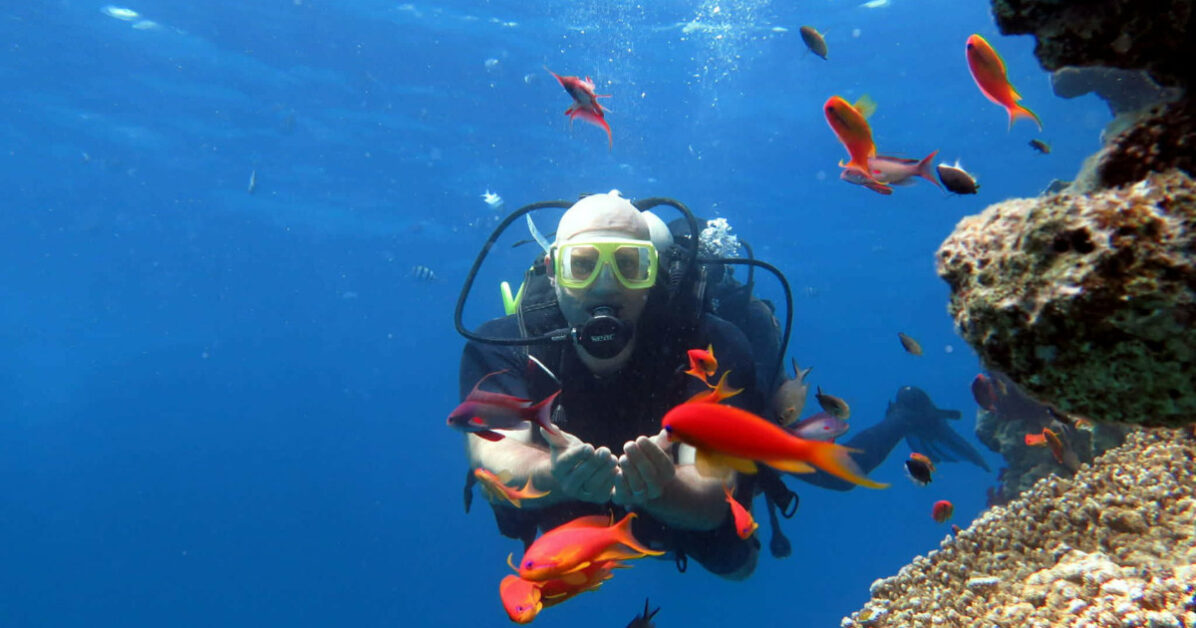
The House Reef Advantage: Unlike many Caribbean or Mediterranean destinations, you don’t need a boat to see world-class marine life. You can often walk 50 meters from your hotel room and drop into a 30-meter reef wall.
Micro-Climates: Protected by the Sinai mountains, Sharm remains significantly less windy than the Northern Red Sea coast, making it a year-round diving sanctuary.
Safety Infrastructure: Sharm operates as a “Special Tourism Zone,” ensuring a level of security that makes it one of the safest cities for international visitors in the Middle East.
2. Is Sharm El Sheikh Safe?
This is the most frequent question travelers ask. As of 2026, the security situation in Sharm El Sheikh is stable and highly managed.
The “Ring” of Security
Local authorities maintain a concrete security wall around the city, monitoring every checkpoint with precision. Security teams inspect every vehicle entering the perimeter, and guests pass through standard safety scans at every hotel entrance.For travelers, this creates a “bubble” environment.
Practical Safety Tips:
Digital Scams: Be cautious of “too good to be true” excursion prices advertised on social media. Always book through licensed operators or your hotel concierge.
The “Egyptian Tummy”: It’s rarely food poisoning and often just the heat and different mineral content in the water. Drink only bottled water, avoid ice in street stalls, and stay hydrated with electrolytes.
Solo Female Travel: Sharm is very accustomed to solo travelers. While you may encounter “friendly” banter from vendors in the Old Market, a firm “La Shukran” (No thank you) is usually respected.
3. Best Neighborhoods: Where to Book Your Stay
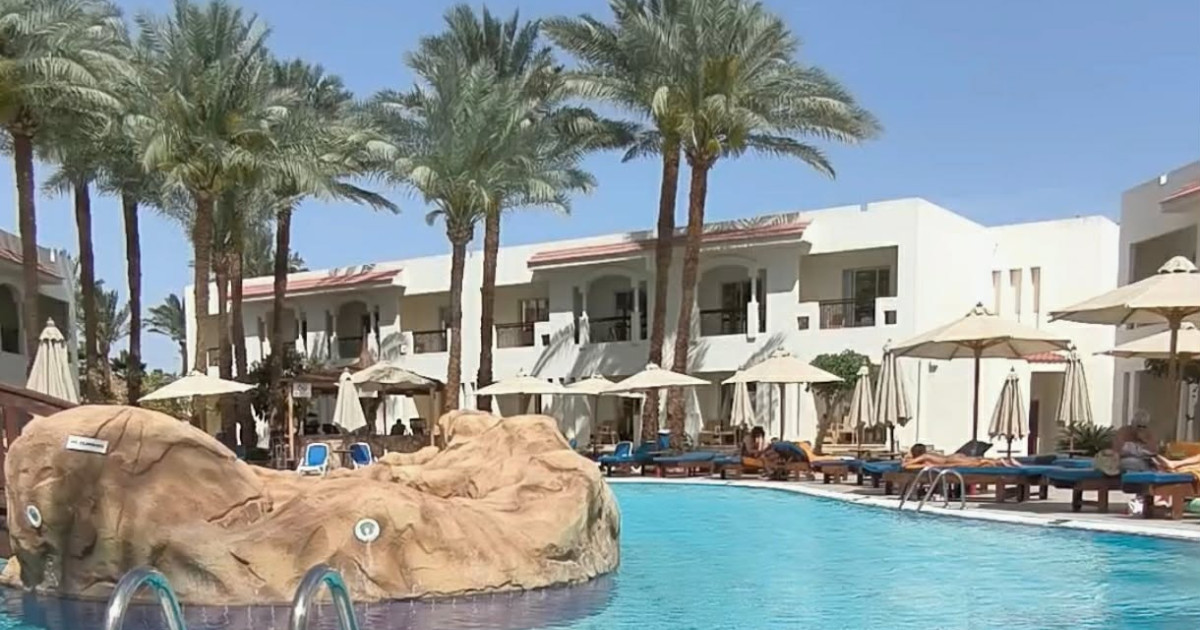
One of the biggest mistakes tourists make is booking a “5-star resort” without checking the neighborhood. Your experience in Nabq will be vastly different from your experience in Hadaba.
Naama Bay: The Social Heart
If you want to be in the center of the action, Naama Bay is your spot. It’s the oldest part of the modern city and features a long pedestrian promenade.
Pros: Walkable, hundreds of restaurants, nightlife (like the iconic Hard Rock Cafe and Pacha), and sandy-bottomed beaches.
Cons: Noisy at night, and the reefs are largely degraded compared to other areas.

Sharks Bay: The Snorkeler’s Paradise
Located closer to the airport, this area is home to some of the most luxurious resorts in Egypt.
Pros: Incredible house reefs, spectacular views of Tiran Island, and home to “SOHO Square”—a high-end shopping and dining entertainment hub.
Cons: Very hilly; may not be suitable for those with mobility issues.
Hadaba (Ras Um Sid): The Expert’s Choice
This cliffside district is where the “real” snorkeling happens.
Pros: Home to the most dramatic drop-off reefs in the city. It also hosts the “Old Market” and more authentic, cheaper local dining options.
Cons: Fewer “mega-resorts”; more boutique or older hotels.
Nabq Bay: The Family Hub
The newest and most northern part of Sharm.
Pros: Massive, modern resorts with incredible water parks. Great for families who want to stay on-site.
Cons: Very windy. The reefs are located far out at the end of long jetties (some up to 800m), which can be closed when the sea is choppy.

4. The 2026 Snorkeling and Diving Guide
If you aren’t here for the water, you’re missing 70% of the destination. The Red Sea contains over 1,200 species of fish and 200 species of coral, many of which are found nowhere else on Earth.
Top Snorkeling Spots
Ras Mohammed National Park: Located at the meeting point of the Gulf of Suez and the Gulf of Aqaba. The nutrient-rich currents here attract massive schools of barracuda, snapper, and even the occasional whale shark in the summer. Because this is a protected area, planning your transport and entry is essential; you can find everything you need in my Ras Mohammed National Park: Complete Guide, Prices, Tours & Snorkeling Tips.
Ras Um Sid Cliff: This is widely considered the best shore-entry snorkeling in Egypt. Look for the massive Gorgonian fan corals.
The Blue Hole (Dahab): A 1-hour drive from Sharm, this is a world-famous sinkhole. While primarily for divers, the “Bells” entry offers snorkelers a breathtaking view of a vertical blue abyss.
Scuba Diving in 2026
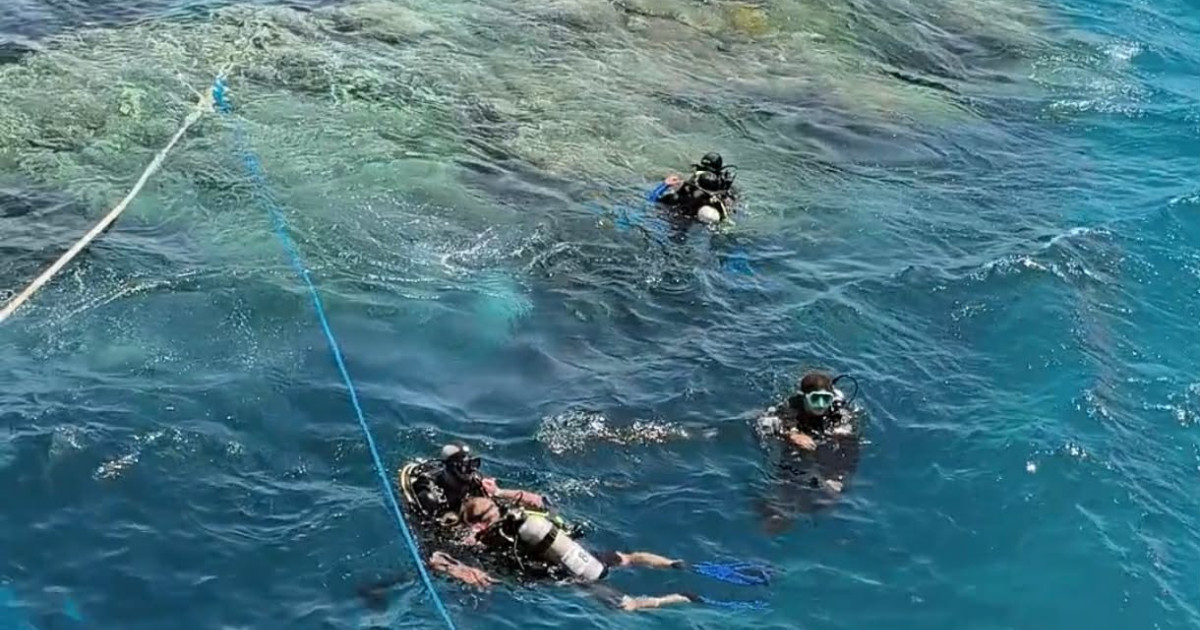
For divers, the SS Thistlegorm remains the crown jewel. This WWII British freighter was sunk by a German bomber and sits at 30 meters. In 2026, new regulations limit the number of divers per day to preserve the wreck, so book your spot at least 4 weeks in advance.
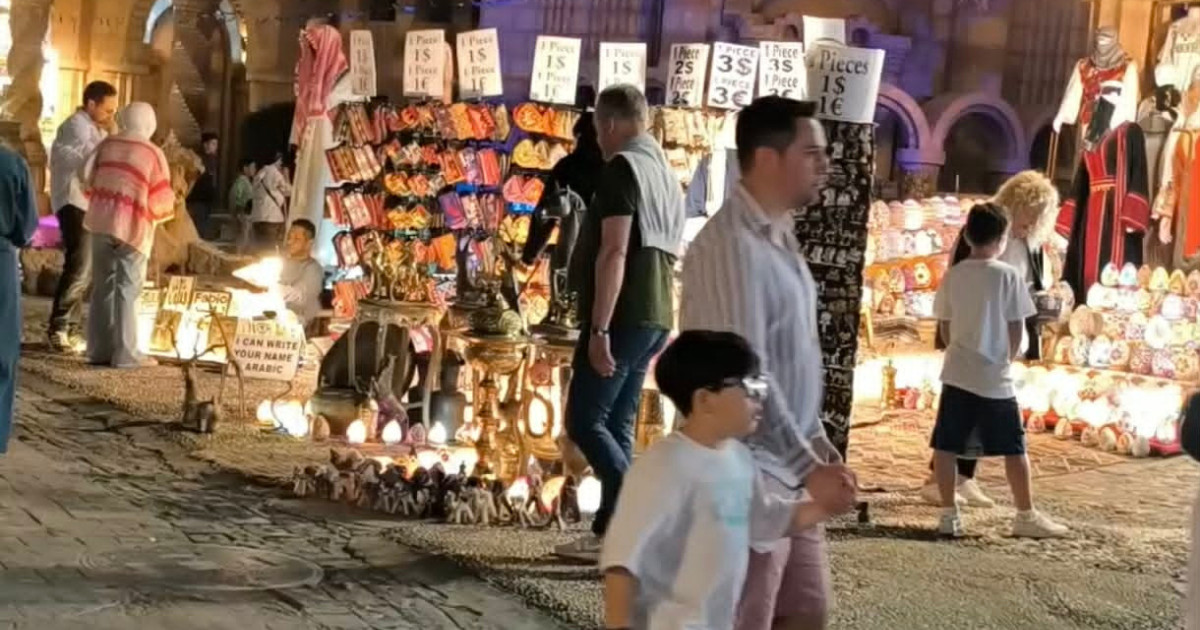
While most people come for the beaches, you haven’t truly seen the city until you explore the Old Market in Sharm El Sheikh, where traditional culture meets the most stunning architecture in the Sinai.
5. Beyond the Beach: Desert and Culture
While the sea is the star, the Sinai Desert is a spiritual and adventurous landscape that shouldn’t be ignored.
Mount Sinai & St. Catherine’s Monastery
St. Catherine’s is one of the oldest working Christian monasteries in the world and a UNESCO World Heritage site. Most travelers do the “Sunrise Hike” up Mount Sinai (Mount Moses).
Expert Tip: In 2026, “Daytime Hikes” are becoming more popular to avoid the 3:00 AM crowds. The descent in the afternoon light provides far better photography opportunities.
The Coloured Canyon and Blue Desert
For those who want to see the geological wonders of the Sinai, a 4×4 Jeep Safari to the Coloured Canyon is a must. The swirling reds, yellows, and purples of the rock formations are world-class.
The rugged Sinai desert offers incredible stargazing and ATV adventures, but it’s a completely different landscape than the rolling orange dunes of the Sahara. For those who can’t get enough of desert landscapes, check out Best Desert Tours in Morocco, which includes iconic camel treks and overnight stays under the stars.
6. What to Eat: A Local Food Guide
Don’t get trapped in the “All-Inclusive Buffet” cycle. Sharm has a burgeoning culinary scene.
Fares Seafood: A local institution in the Old Market. Order the “Fares Seafood Soup”—it’s legendary.
Koshari: Egypt’s national dish. A mix of pasta, rice, lentils, and chickpeas topped with a spicy tomato sauce and fried onions. It’s vegan-friendly and costs less than £2.
Bedouin Dinner: Many excursions offer dinner in a Bedouin camp. While some are “touristy,” look for ones that emphasize “Stargazing and Traditional Mandi” (slow-cooked meat in an underground oven).
Fresh Juices: In 2026, Sharm’s juice bars are everywhere. Don’t leave without trying fresh Mango or Asab (Sugarcane juice).
7. Practicalities: Seasonality, Costs, and Logistics
When to Visit
Peak Season (October – November & March – April): Perfect 28°C weather. Expect higher prices.
The Winter Bargain (December – February): Sunny days but cold winds. Great for sightseeing, but you’ll need a wetsuit for the water.
The Diving Summer (June – August): Extremely hot (40°C+). This is the best time for spotting large pelagic fish (sharks/rays) as they follow the warmer currents.
Estimated 2026 Budget (Per Week)
| Category | Budget (GBP) | Mid-Range (GBP) | Luxury (GBP) |
| Flights | £150 – £250 | £300 – £450 | £600+ |
| Accommodation | £200 | £600 | £1,500+ |
| Food & Drink | £70 | £150 | £400 |
| Excursions | £100 | £250 | £600 |
| Total | £520 | £1,300 | £3,100+ |
8. Hidden Gems Most Tourists Miss
The Secret Reef of Ras Ghamila: Located near the airport, this shallow reef is a “nursery” for sea turtles. Very few tour boats stop here.
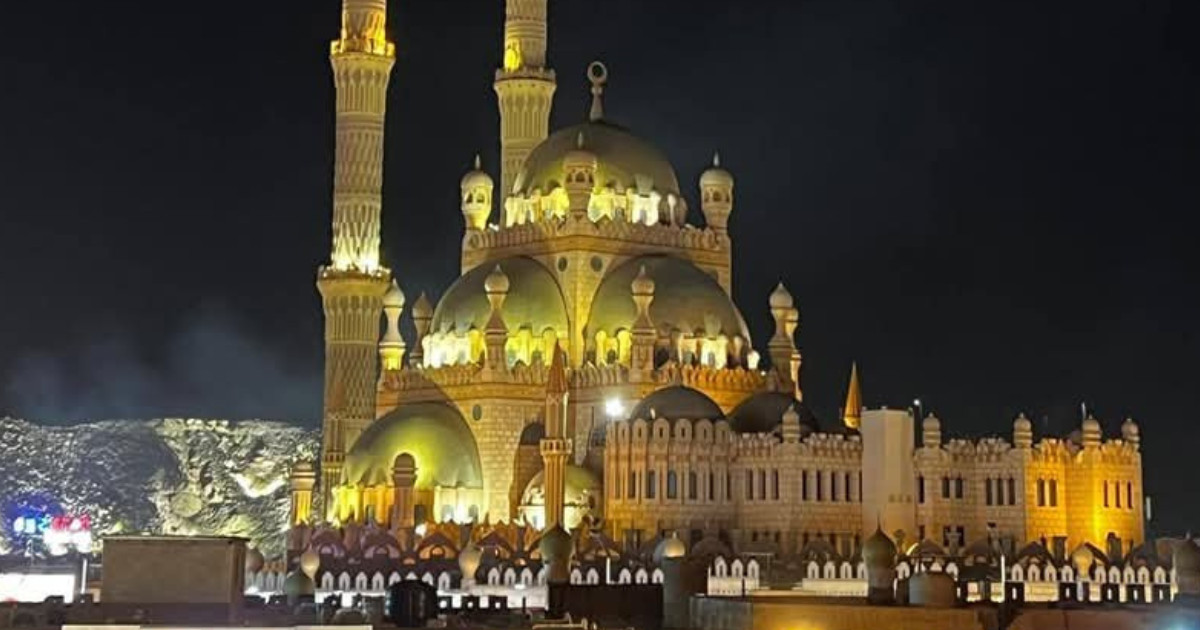
El Sahaba Mosque at Night: While everyone sees it during the day, the gold-leaf architecture is breathtakingly illuminated after 8:00 PM.
Local Cafes in Hadaba: Skip the franchised coffee shops. Find a local “Ahwa” (cafe), order a Turkish coffee, and enjoy a shisha while watching the local life pass by.
Wadi Ginai: A hidden oasis near Dahab perfect for rock climbing or a quiet hike away from the motorized quad bike tours.
FAQ:
1. Do I need a Visa for Sharm El Sheikh?
If you are staying in the Sinai (Sharm, Dahab, St. Catherine) for less than 15 days, most nationalities get a Free Sinai-Only Stamp. If you plan to visit Cairo or the Pyramids, you must buy the $25 USD entry visa upon arrival.
2. Can I drink the tap water?
No. Not even for brushing your teeth if you have a sensitive stomach. Most hotels provide bottled water daily for free.
3. What should I wear?
Inside resorts: Whatever you like.
Outside (Old Market/City): Modest dress is appreciated. Cover shoulders and knees to avoid unwanted attention and show respect for the local culture.
4. Is there Uber in Sharm?
As of 2026, local ride-sharing apps like InDrive and Careem are more common than Uber. Always agree on a price before starting the journey if using a white-and-blue local taxi.
5. What currency should I bring to Sharm El Sheikh?
The local currency is the Egyptian Pound (EGP), but British Pounds, Euros, and US Dollars are widely accepted in tourist areas. For taxis, tips, cafes, and local markets, always carry small Egyptian notes. Airport exchange rates are usually less favorable, so using an ATM in Naama Bay or SOHO Square often gives better value.
6. Do I need cash, or can I pay by card?
Most 4-star and 5-star resorts, dive centers, and larger restaurants accept Visa and Mastercard. However, local cafes, market stalls, beach bars, and taxi drivers often prefer cash. A good rule is to carry at least £20–£30 worth of Egyptian Pounds each day for small purchases.
7. Should I buy a SIM card in Sharm El Sheikh?
Yes—especially if you plan to use maps, ride-hailing apps, or book excursions independently. The easiest place is directly at Sharm El Sheikh International Airport, where providers like Vodafone Egypt, Orange Egypt, and Etisalat Egypt usually have tourist packages. Hotel Wi-Fi can be unreliable outside reception areas.
8. Is snorkeling in Sharm El Sheikh safe for beginners?
Yes—but always respect the reef and sea conditions. Many beaches in areas like Sharks Bay and Ras Um Sid have steep drop-offs just meters from shore, so beginners should wear a flotation vest and enter from designated jetties. Never stand on coral—it is fragile, protected, and can cause serious cuts. Ras Mohammed National Park is one of Egypt’s most protected marine ecosystems.
9. How much should I tip in Sharm El Sheikh?
Tipping (“baksheesh”) is part of everyday life in Egypt. Typical amounts in 2026 are:
- Housekeeping: £1–£2 per day
- Restaurant staff: 5–10% if service isn’t included
- Porters: £1 per bag
- Tour guides: £5–£10 per day
- Taxi drivers: Round up the fare
Small notes make life much easier.
10. When is the best time to visit Sharm El Sheikh?
For perfect weather, October–November and March–April are ideal, with warm water, calm seas, and daytime temperatures around 25–30°C. Summer (June–August) is extremely hot but excellent for experienced divers chasing larger pelagic species. Winter remains sunny, though mountain areas around Mount Sinai and Saint Catherine’s Monastery can drop close to freezing overnight. Saint Catherine’s Monastery is one of the world’s oldest continuously operating monasteries.
Why You Should Book Sharm
Sharm El Sheikh has survived decades of tourism cycles to emerge as a destination that offers something for everyone. It manages to balance the rugged, ancient history of the Sinai with the high-tech luxury of modern resorts.
If you are looking for a place where you can hike a holy mountain at dawn and dive with dolphins at noon, there is simply nowhere else on earth like it. In 2026, the city is cleaner, safer, and more vibrant than ever.
Ready to pack your bags? Whether it’s your first time or your tenth, Sharm always has a new reef or a new desert trail waiting to be discovered.
Finished exploring the Red Sea? Your next North African adventure should involve the Atlas Mountains! Check out my guide on the best things to do in Morocco, including the famous hot air balloon rides over Marrakech.