Where to Stay in Corfu: Best Areas for Families, Couples, and Nightlife
Choosing where to stay in Corfu (Kerkyra) is the most critical decision you will make when planning your Greek holiday. Unlike smaller islands like Santorini or Mykonos, Corfu is massive. The island takes over two hours to drive from top to bottom, and the landscape changes drastically from the rugged, mountainous North to the sandy, flatter South.
If you pick the wrong village, you could end up in a neon-lit party strip when you wanted a quiet romantic getaway, or stuck in a remote hillside villa when you wanted easy beach access for a toddler.
In this guide, we break down the island by lifestyle and travel style. Whether you are looking for the best family resorts in Corfu, the wildest nightlife, or a quiet authentic escape, this breakdown will ensure you book the perfect base.
(Planning your trip? Make sure to check out our Ultimate Corfu Travel Guide for a complete overview of the island.)
Ready to book your Greek getaway?
Don’t wait until the best rooms are gone.
Find the Best Hotel Deals in Corfu!
The “Cheat Sheet”: Quick Summary for Travelers
Don’t have time to read the whole guide? Here is the fast answer based on your travel style.
- Best for First-Timers & Culture Vultures: Corfu Town (Kerkyra Old Town)
- Best for Scenery & Couples: Paleokastritsa
- Best for Families with Young Kids: Acharavi or Roda (North Coast)
- Best for Nightlife & Partying: Kavos (South) or Ipsos (Central East)
- Best for Luxury & Quiet: Kassiopi or Kalami (North East)
- Best for Budget Travelers: Benitses or Moraitika
Check Availability:
Browse all Hotels in Corfu
Browse Holiday Villas in Corfu
1. Corfu Town (Kerkyra): The Best Base for Culture & Winter Travel
Best For: History buffs, foodies, travelers without a car, and off-season visitors.
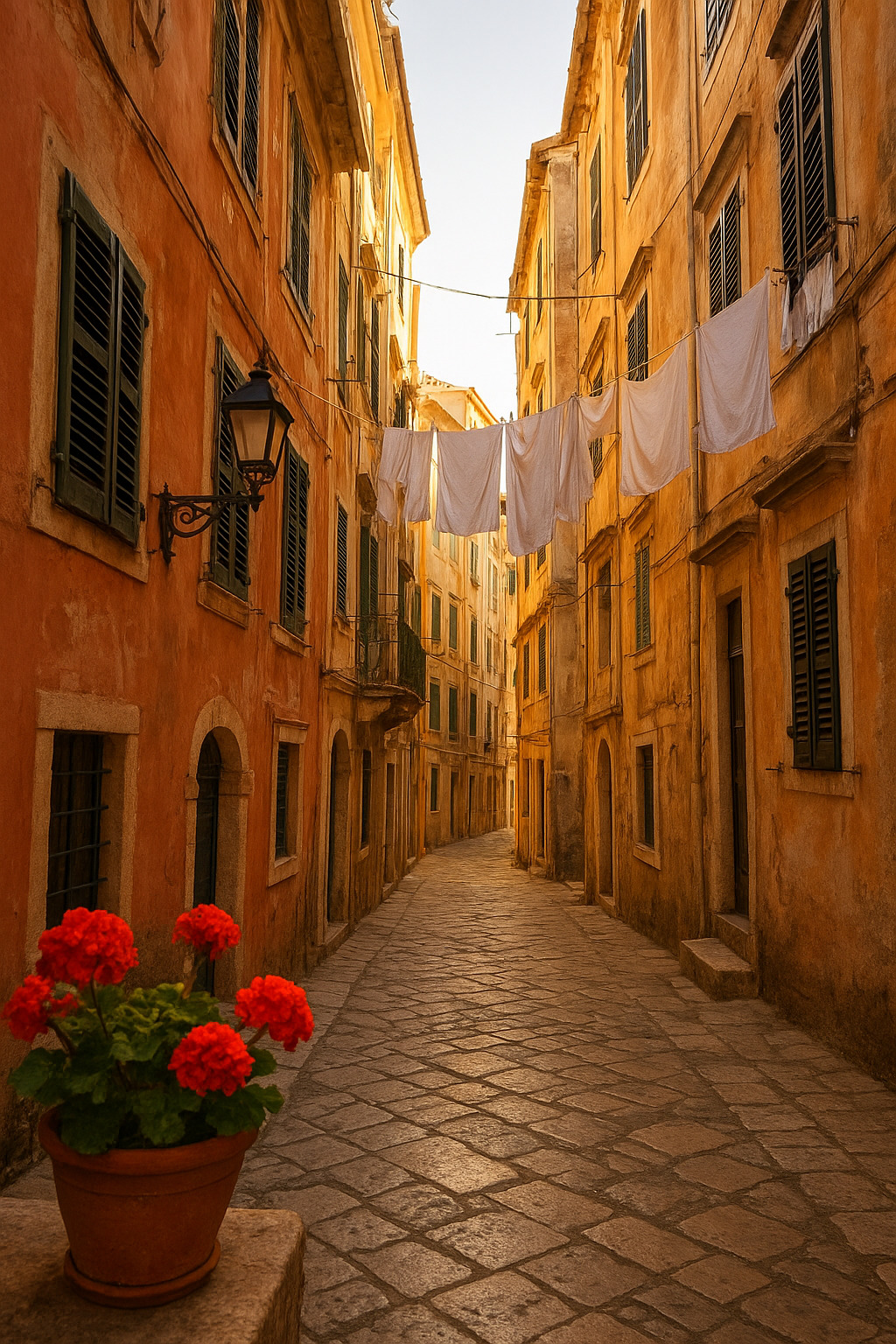
If you want to feel the heartbeat of the island, staying in or near Corfu Old Town is a must. A UNESCO World Heritage site, the town is a blend of Venetian, French, and British architecture. It is sophisticated, walkable, and vibrant year-round.
The Vibe
Expect narrow cobblestone streets (kantounia), laundry hanging from balconies, and the sound of philharmonic orchestras practicing in the evenings. It is not a beach destination, but it is the culinary capital of the island.
Why Stay Here?
- Transport Hub: All “Blue Buses” (City buses) and “Green Buses” (Long distance) depart from here. If you haven’t rented a vehicle, this is your best base. (Read more in our Getting Around Corfu Guide).
- Dining: You have access to the highest density of restaurants, from gyro spots to high-end Venetian dining.
- Access: You are close to the Airport (CFU), making transfers cheap and fast.
Pros and Cons
- + Walkable and historic atmosphere.
- + No car required.
- + Open all year round (many resorts close in winter).
- – No immediate beach access (you have to take a bus or swim off the docks at Faliraki).
- – Can be noisy and crowded when cruise ships dock.
- – Parking is notoriously difficult.
2. Paleokastritsa: The Most Beautiful Place in Corfu
Best For: Couples, nature lovers, swimmers, and Instagram enthusiasts.
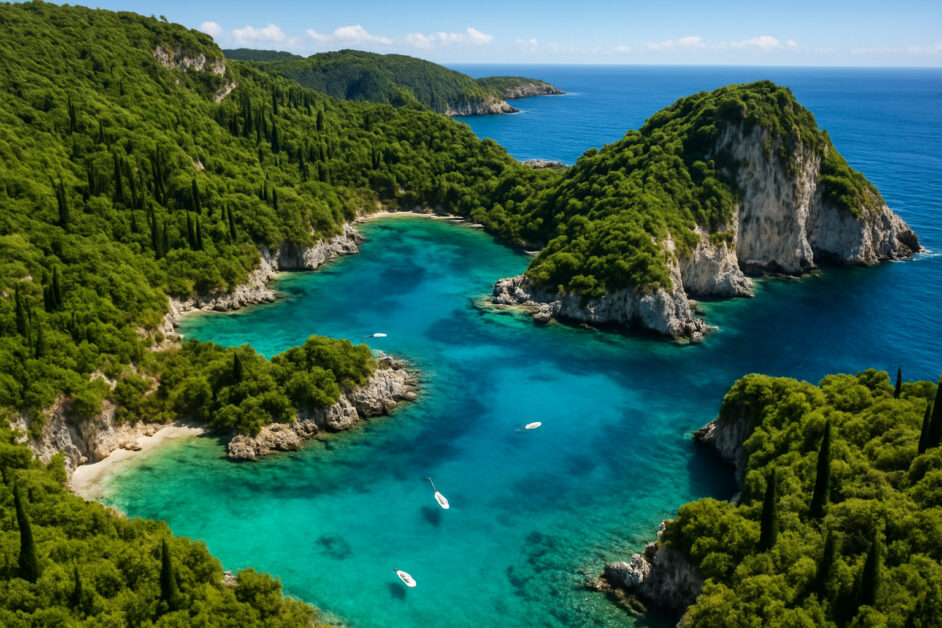
When you see a postcard of Corfu, it is almost always Paleokastritsa. Located on the Northwest coast, this area is famous for its six turquoise bays, dramatic cliffs, and cold, refreshing waters.
The Vibe
This is arguably the most scenic spot on the island. It feels lush and tropical. The vibe is relaxed during the day and quiet at night. It is not a party town; it is a place to admire nature, rent a boat, and visit the hilltop monastery.
Why Stay Here?
- Beaches: You have access to some of the island’s top-rated beaches, including Agios Spyridon and easy boat access to Paradise Beach. (Check out our Top 10 Beaches Guide for more details on these spots).
- Activities: This is the best place on the island for snorkeling and renting private boats to explore hidden caves.
Pros and Cons
- + Stunning natural beauty and sunsets.
- + Great variety of restaurants and beach bars (like La Grotta).
- – The water is significantly colder here than on the East Coast due to deep currents.
- – The terrain is hilly; walking from your hotel to the beach often involves steep inclines (not ideal for those with mobility issues).
- – Accommodation is more expensive and books out months in advance.
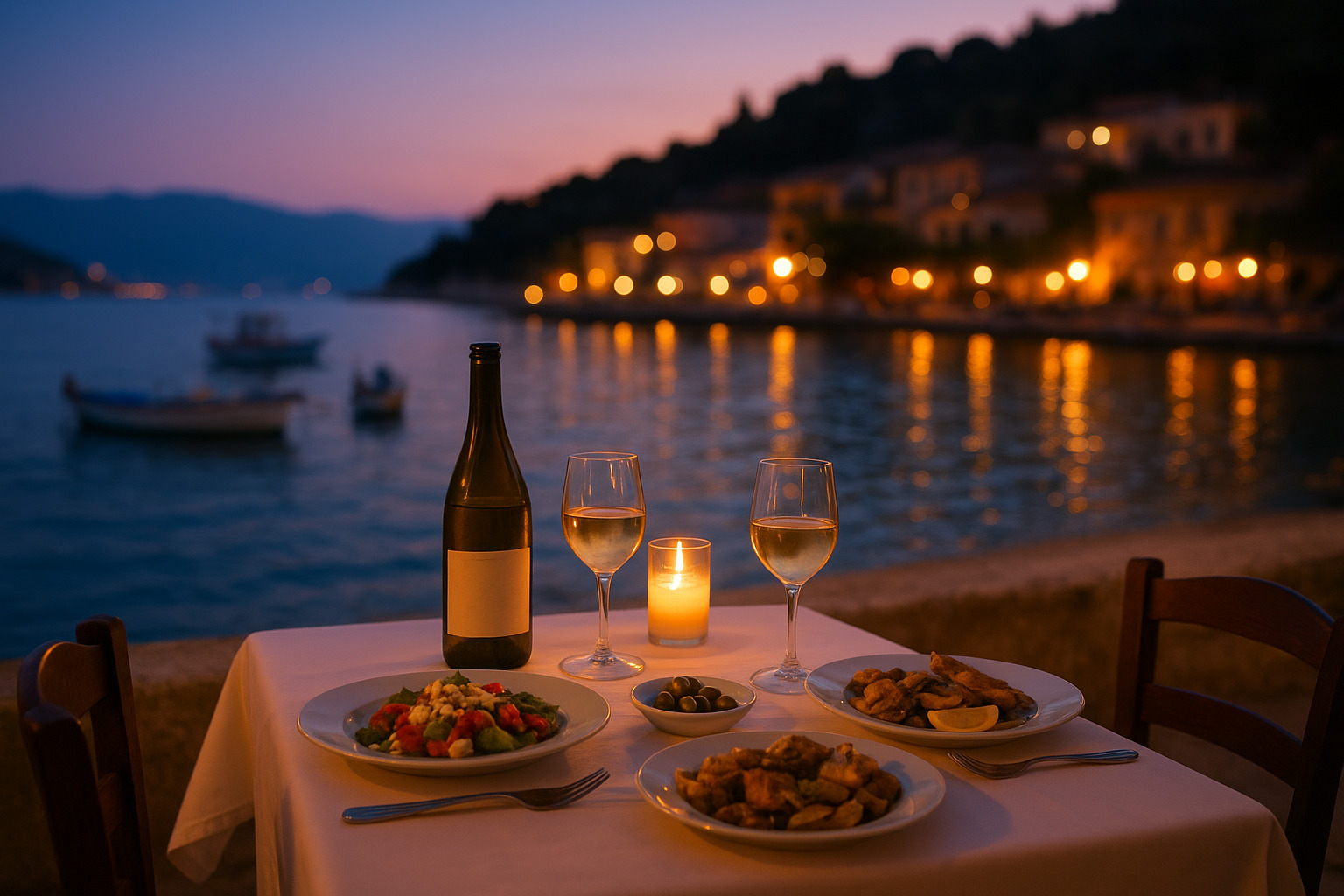
3. Kassiopi & The North East: The “Kensington-on-Sea”
Best For: Upscale travelers, families with teenagers, and couples looking for class.
The North East coast, stretching from Nissaki to Kassiopi, is often called “Kensington-on-Sea” because of the wealthy British tourists and villa owners who frequent it. It is lush, green, and full of pebbled coves with crystal-clear water.
The Vibe
Kassiopi is the main hub here. It is a charming fishing village that has grown into a resort but kept its soul. It has a picturesque harbor lined with restaurants and bars. It’s lively enough to be fun, but lacks the rowdiness of the party resorts.
Why Stay Here?
- Boat Culture: This area is best explored by renting a small boat for the day to find your own private cove.
- Authenticity: Despite being popular, it feels more traditionally Greek than the custom-built resorts.
- Proximity: You are a short drive from the ghost village of Old Perithia and the honey farms of the north. (Read about our trip there in the Authentic Corfu Guide).
Pros and Cons
- + Classy nightlife and excellent dining.
- + Beautiful, clean pebble beaches.
- – Beaches are pebble, not sand (bring water shoes).
- – It is a longer drive from the airport (approx. 1 hour).
- – Slightly higher price point for accommodation.

4. Sidari & Acharavi: The Family Favorites (North Coast)
Best For: Families with young children and sand lovers.
If your priority is soft sand and shallow warm water for the kids, head North. Sidari, Acharavi, and Roda are the main players here.
The Vibe
- Sidari: Famous for the Canal d’Amour (Channel of Love). It is a busy, tourist-heavy resort with English pubs, karaoke bars, and plenty of souvenir shops.
- Acharavi: A massive stretch of sandy beach (7km long). It is quieter than Sidari and very popular with families who want space and shallow water.
Why Stay Here?
- The Beaches: Unlike the pebbles of the east or the rocks of the west, the north offers dark, soft sand. The water stays shallow for a long distance out, making it safe for toddlers.
- Convenience: Acharavi is a working town, meaning it has large supermarkets, pharmacies, and doctors, which is reassuring for families.
Pros and Cons
- + Best sandy beaches on the island.
- + Very family-friendly facilities (water parks, playgrounds).
- – Sidari can feel overly commercialized and “tacky” to some travelers.
- – It is far from Corfu Town (can be a 45-60 minute drive).
- – The aesthetic is less “Authentic Greek” and more “International Resort.”
5. Kavos vs. The South: Party Central or Quiet Retreat?
Best For: Young party-goers (Kavos) or Budget Families (Moraitika/Messonghi).
The South of Corfu is flatter and sandy. However, you must distinguish between the party zone and the family zone.
Kavos: The Party Capital
Kavos is infamous. It is the nightlife capital of Corfu, catering almost exclusively to 18-30-year-olds who want to drink, dance in clubs, and sleep on the beach.
- Stay here if: You are here for the clubs and cheap drinks.
- Avoid if: You want sleep, culture, or family time.
Moraitika & Messonghi: The Southern Alternative
Just north of Kavos lie these twin villages. They offer the sandy beaches and warmer waters of the south but with a much calmer, family-oriented vibe. They are also generally cheaper than the posh North East.
Pros and Cons (The South)
- + Warmer water temperatures than the north or west.
- + Generally cheaper accommodation.
- – Kavos has a bad reputation for noise and rowdiness.
- – The landscape is flatter and less dramatic/photogenic than the North.
6. Gouvia & Dassia: The Convenient Middle Ground
Best For: All-inclusive lovers and those who want a central base.
Located just 15-20 minutes north of Corfu Town on the East Coast, Gouvia and Dassia are heavily developed resort towns.
The Vibe
These areas are home to the large, all-inclusive hotels (like the Ikos resorts) and a large marina. It is a mix of pebble and shingle beaches.
Why Stay Here?
- Logistics: You are halfway between the North and the South. If you plan on renting a car and exploring the whole island, this is a strategic base.
- Nightlife: Gouvia has a decent nightlife scene that is more mature than Kavos but livelier than the quiet fishing villages.
Pros and Cons
- + Very short transfer time from the airport.
- + Great watersports and marina facilities.
- + Excellent public transport connections (Blue Buses run frequently to Town).
- – The beaches are average compared to Paleokastritsa or the South.
- – Lacks traditional character; feels like a purpose-built resort area.

Buying Guide: How to Choose Your Accommodation
Before you book, ask yourself these three questions:
1. Will I rent a car?
If the answer is No, you should stay in Corfu Town or a well-connected resort like Gouvia or Ipsos. Staying in a remote villa in the North East without a car will result in expensive taxi bills.
(Check our Transport Guide for bus timetables and rental tips).
2. What is my beach preference?
- Sand: Go North (Acharavi/Sidari) or South (Issos/Halikounas).
- Pebbles & Clear Water: Go North East (Kassiopi/Barbati).
- Dramatic Scenery: Go West (Paleokastritsa).
3. What is my budget?
- Luxury: Corfu Town (Historical Hotels), Kommeno (Villas), or the North East.
- Mid-Range: Acharavi, Paleokastritsa.
- Budget: Kavos, Sidari, or southern villages like Benitses.
Frequently Asked Questions about Staying in Corfu
1. Which side of Corfu is best?
The West is best for dramatic sunsets and scenery. The East has warmer water and is more family-friendly. The North has sandy beaches. The South is a mix of quiet nature and intense nightlife.
2. Where is the best place to stay in Corfu for couples?
Paleokastritsa is the top choice for romance due to the scenery. Alternatively, San Stefano (North East) offers luxury villas that are perfect for seclusion.
3. Is Corfu Town a good place to stay?
Yes, especially for short breaks (3-4 days) or off-season travel. It offers the best food and culture, but you will need to travel to get to the best beaches.
4. Where should I avoid in Corfu?
Avoid Kavos unless you are looking for intense nightlife. Families should also be careful with some parts of Sidari if they want a quiet holiday, as the main strip can be loud.
Conclusion
Corfu is not a “one size fits all” island.
- Choose Paleokastritsa for the views.
- Choose Corfu Town for the culture.
- Choose Acharavi for the kids.
- Choose Kassiopi for a classy, relaxed vibe.
No matter where you choose to drop your bags, the beauty of Corfu is that everything is accessible for a day trip. You can wake up in the mountains of the north and have dinner in the bustling Old Town.
Ready to plan the rest of your trip?
- Find the best swimming spots in our Top 10 Beaches Guide.
- Discover the mountains in our Authentic Corfu Guide.
- Figure out how to get from the Airport to your Hotel in our Transport Guide.
Enjoy your stay in the Emerald Isle!